- Home
-

- Archive
All posts by Thomas Ng
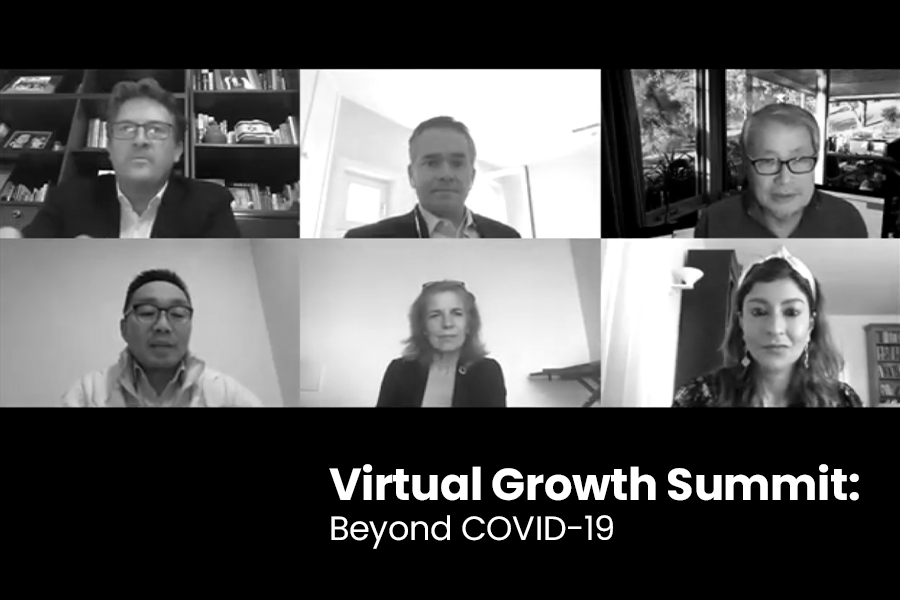
Thomas Ng joins Bart Houlahan, co-founder of B Lab, and Pascal Gerken, YPO International Chairman (2018-2019) on the Growth Summit panel to discuss business as a force for good.
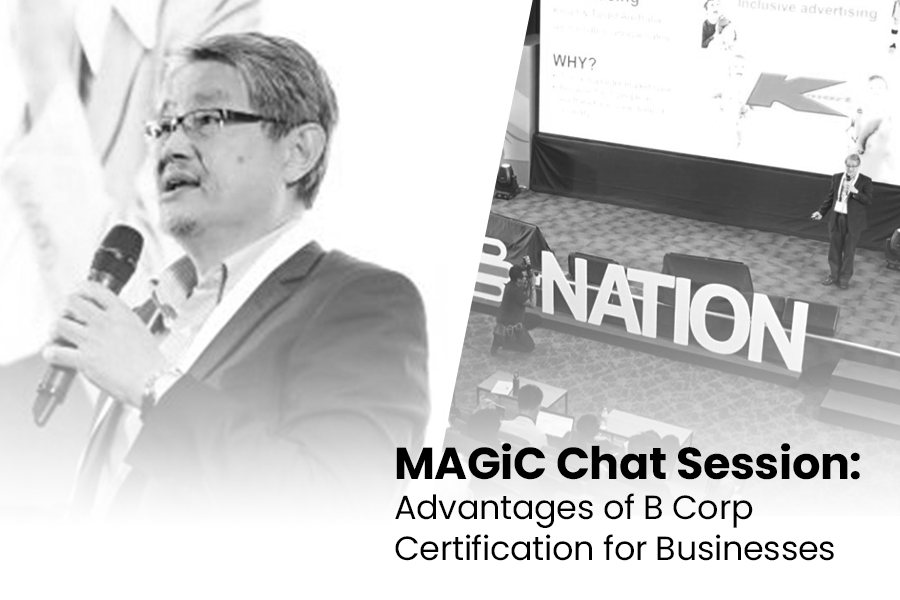
Thomas shares how B Corp Certification can sustain businesses during The Chat Session 0.2 at the Malaysian Global Innovation and Creativity Centre.
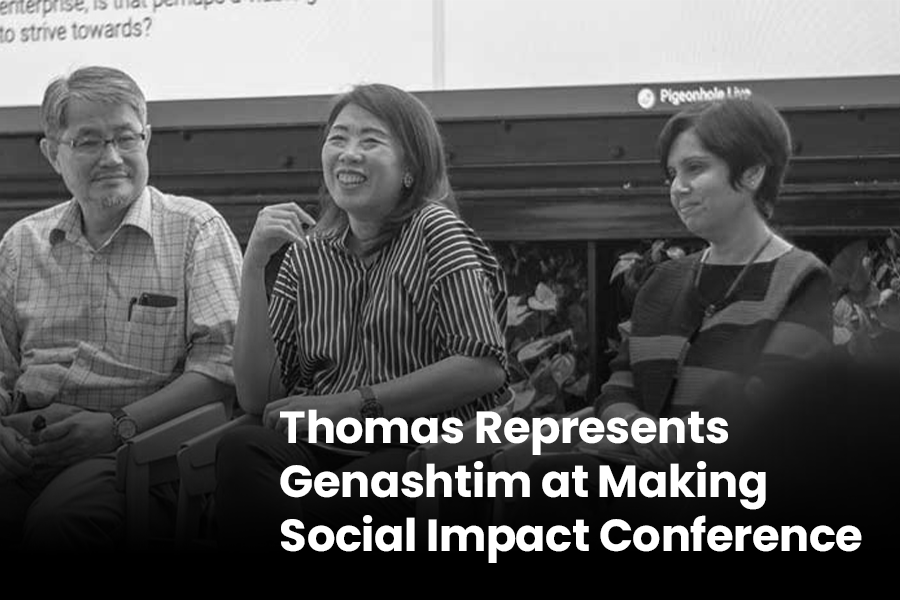
Thomas joins three other prominent speakers in an insightful discussion on the topic Making Social Impact What's Your End Game?
Genashtim started offering workplace counselling services to its employees around June 2018. Our counsellor is Marcia Evans from Jamaica. Marcia is a
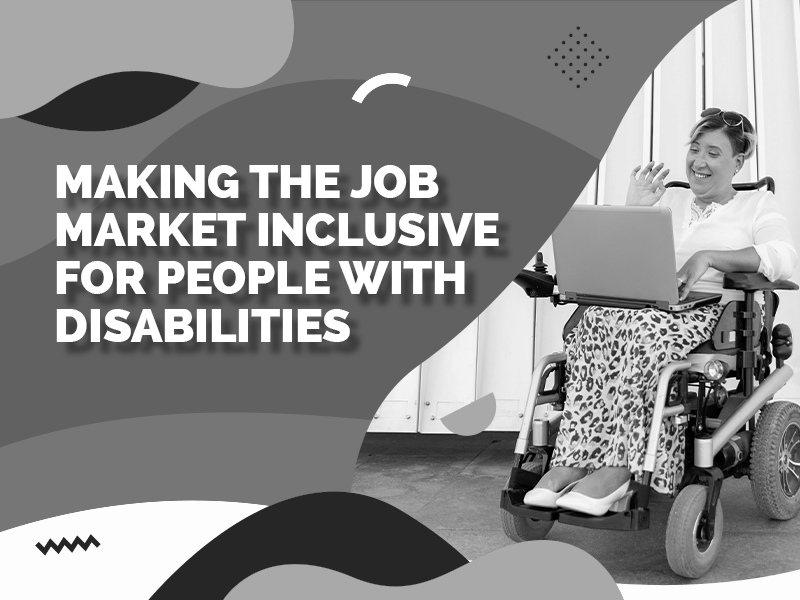
The Strait Times features Genashtim's inclusive employment, which covers PWDs and refugees. Company founder and CEO, Thomas Ng shares that hiring people from these disadvantaged groups gives them a chance to regain their dignity through sustainable livelihood.
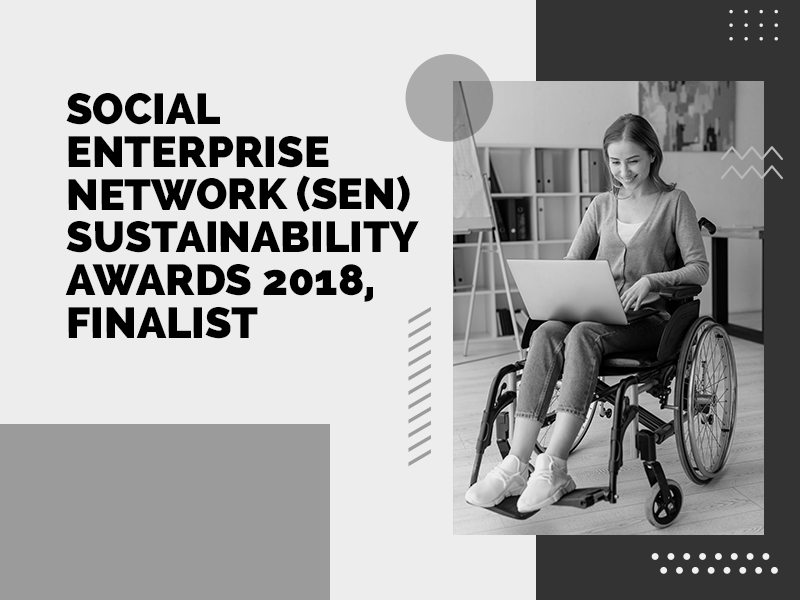
Thomas mission of hiring unemployables, specifically PWDs and Middle Eastern refugees, to provide global e-learning and online digital services is awarded recognition by the Social Enterprise Network (SEN).
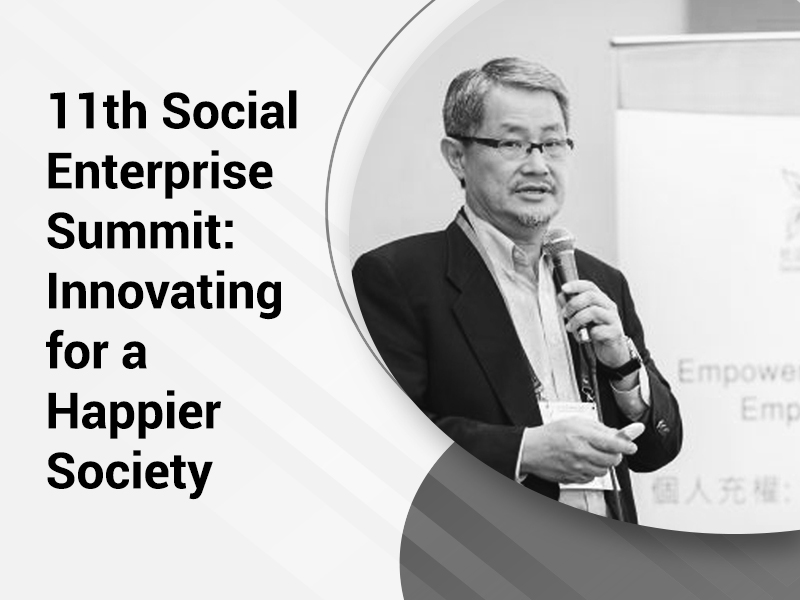
Thomas joins 72 distinguished speakers in discussing how to work towards the goal of innovating for a better world, joined by over 3,200 delegates from 20 countries.
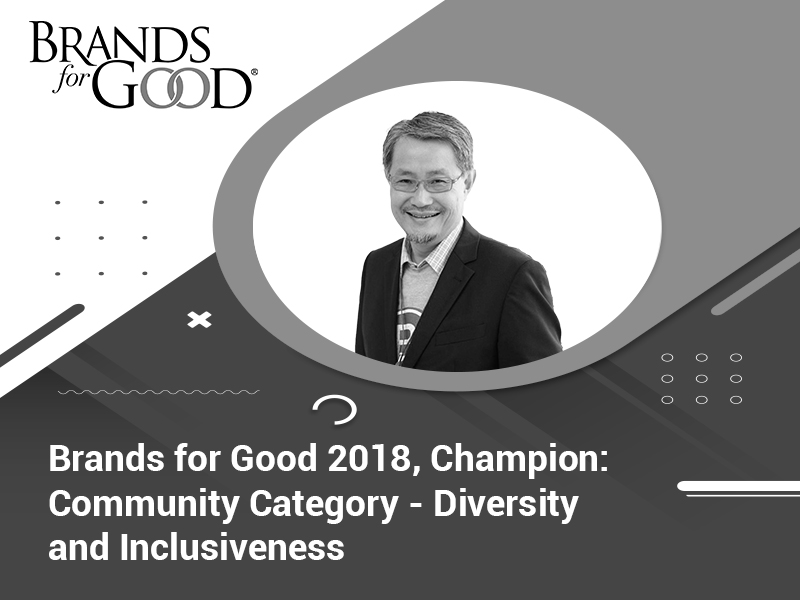
In the first-ever Brands for Good Awards, Genashtim, a pioneer of collaborative eLearning in Asia, receives recognition for championing best practices for diversity and inclusiveness, and becomes an honouree for Corporate Giving.

I attended a short training session this morning on Blue Ocean Leadership. I am not going to comment about the quality of the training and the topic, but rather on the mode of delivery. It was just a two hour session. The most engaging parts of the session was when videos were played. There were a couple of rather interesting videos. But I could have watched them on Youtube, I presume. Halfway through the session, one of the participants starting raising questions, and did this quite a bit. Her issue was how to convince her leadership to adopt this Blue Ocean Leadership concept. After a while, I had to intervene that the issue she has is a dysfunctional leadership, and that this is not the topic of this workshop. There were quite a number of questions coming from the participants, which is a credit to the trainer and also the topic. However most people just jumped in whenever they had something to ask or to say, and the loudest voice would prevail. I also saw a fellow who kept trying to put his hand up, and never got his turn. We are talking about a rather small group of about a dozen people. I could not help comparing this to the discussion boards which we use in our eLearning environment. I would not have to spend time reading the questions and exchanges with the instructor which were not related to the topic and of no interest to me. Also, every single participant can ask any number of questions, and each time, he/she would be just as loud as everyone else. It took me 40 minutes to drive to the location, a bit of a struggle to look for a car park. All in all, it took me 4 hours to attend a 2 hour training session.
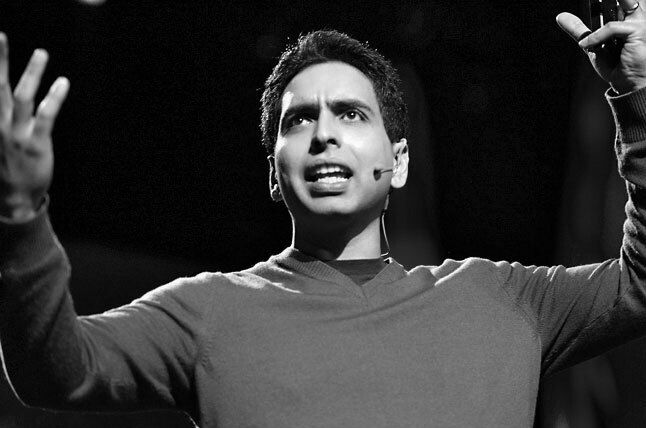
The Khan Academy phenomenon lives on, with more than 9,000 videos on more than 65 languages. This Ted Talk by Salman Khan way back in 2011 has some profound learnings: 1. He found that kids prefer a video of him teaching them, rather than him teaching them in person, because… – in video, he can be paused and repeated – there is less pressure on the kids – there isn’t someone there to ask them “have you understood what i just tried to teach you?” – they can watch him again at a later date, without the embarrassment of going to him to tell him that they have forgotten what he taught. 2. He talks about the Flip Classroom (which I have described in a recent blog posting). His comment is that the teachers use technology to “humanize” the classroom. I think this is specifically profound as many people (including educators) say that eLearning is not effective as it lacks the human touch in a classroom. But in reality, a typical classroom is where the teacher gives a one-way delivery of knowledge. The students are mostly not allowed to speak during this, and probably are terrified that they will be picked upon to answer questions. In a Flip Classroom, the students can interact with each other, as well as with the teacher, whilst doing their homework. 3. In a traditional classroom, the teacher moves on to another, probably harder topic, irrespective of whether all the students have mastered the current topic. Talk about lining them up for failure! Using technology and the Flip Classroom concept, the students get personalized learning, rather than a “one size fits all”. The slower students can watch the videos over and over again to catch up. And the better students can move on to other topics. In the class, the teacher is helping the students, irrespective of which topic the student is at. The teacher can spend more time in class to help the students who need to catch up. 4. With Khan Academy, the teachers can keep track of which student is up to which video. They can even have questions to test the students before they move to the next video. So at one glance, the teacher can see which of the students are falling behind, and need some extra attention. And for the students who are doing exceptionally well, the teacher can assign them to help those who are falling behind. Now, how cool is that! There is also a lot of other data which the teacher can have access to, as explained by Salman Khan. 5. The teacher can then spend 95% of his/her time interacting with (rather than talking at) the students. Traditionally, the teacher spends only 5% of his/her time in real interaction with the students. This can make the teachers’ job more interesting and satisfying.